


With the same basic formula of flour, water and yeast, why are some breads soft and stringy, remaining tender for days, while others turn dry, crumbly and collapsed overnight? Beyond raw materials and production processes, the key factor separating bread quality is baking enzymes. As natural biological improvers aligned with clean-label trends, they precisely optimize dough properties at the molecular level and readily address common pain points including staleness, poor stringiness and inconsistent appearance.
BestBAKER, the baking enzyme solution from Bestzyme, features the synergistic action of two core enzymes: glucose oxidase and lipase. Each plays a distinct role to profoundly improve dough quality, comprehensively enhancing bread texture, appearance and production stability, perfectly meeting the demand for high-quality, natural baked goods today.
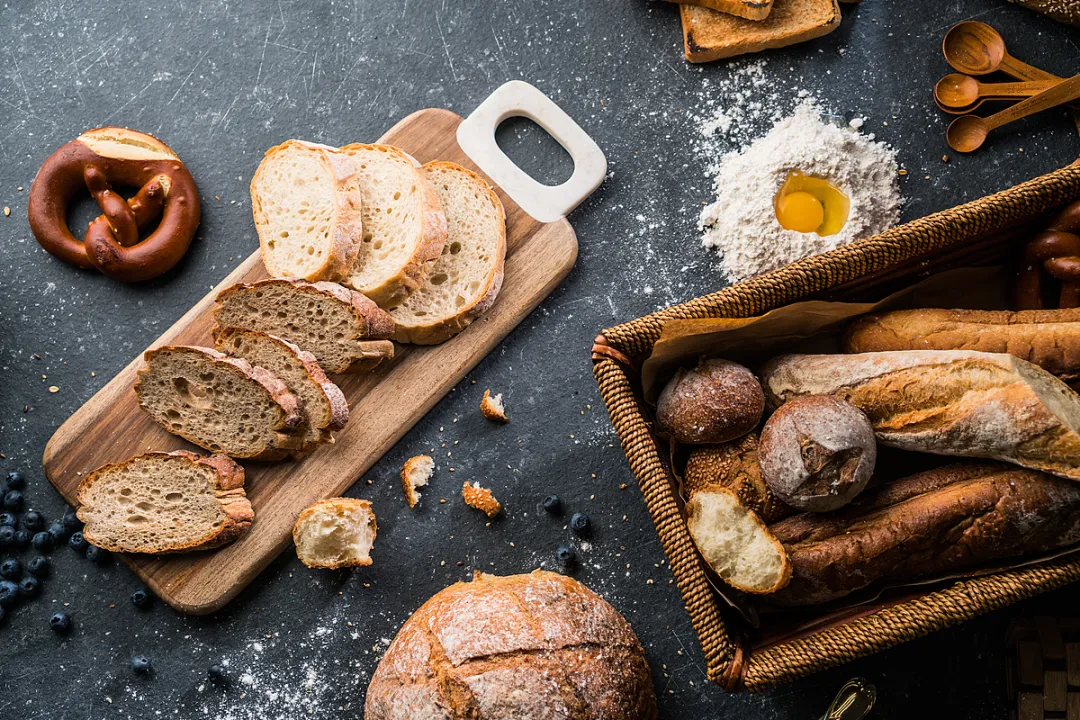
Mechanism: Glucose oxidase catalyzes the reaction among glucose, water and oxygen in dough to form a natural gluten oxidant. This oxidant converts sulfhydryl groups (-SH) in gluten proteins into disulfide bonds (-S-S-), greatly boosting cross-linking between gluten protein molecules and forming a robust, compact and elastic gluten network.
The reinforced gluten structure gains markedly higher resistance to mechanical stress during mixing, kneading and conveying. It fundamentally compensates for weak and fragile gluten in low-strength flour, serving as an ideal green alternative to conventional chemical dough improvers.
Visible benefits: It builds a stable supporting framework inside the dough, effectively preventing shrinkage and collapse throughout fermentation, proofing and baking. The finished bread features a plump, well-supported shape with fine, uniform and well-defined internal crumb pores, delivering excellent fluffiness and a satisfying chewy texture. It also harmonizes fermentation performance across dough batches, yielding uniformly shaped and sized loaves, improving mass-production consistency and reducing reject rates.
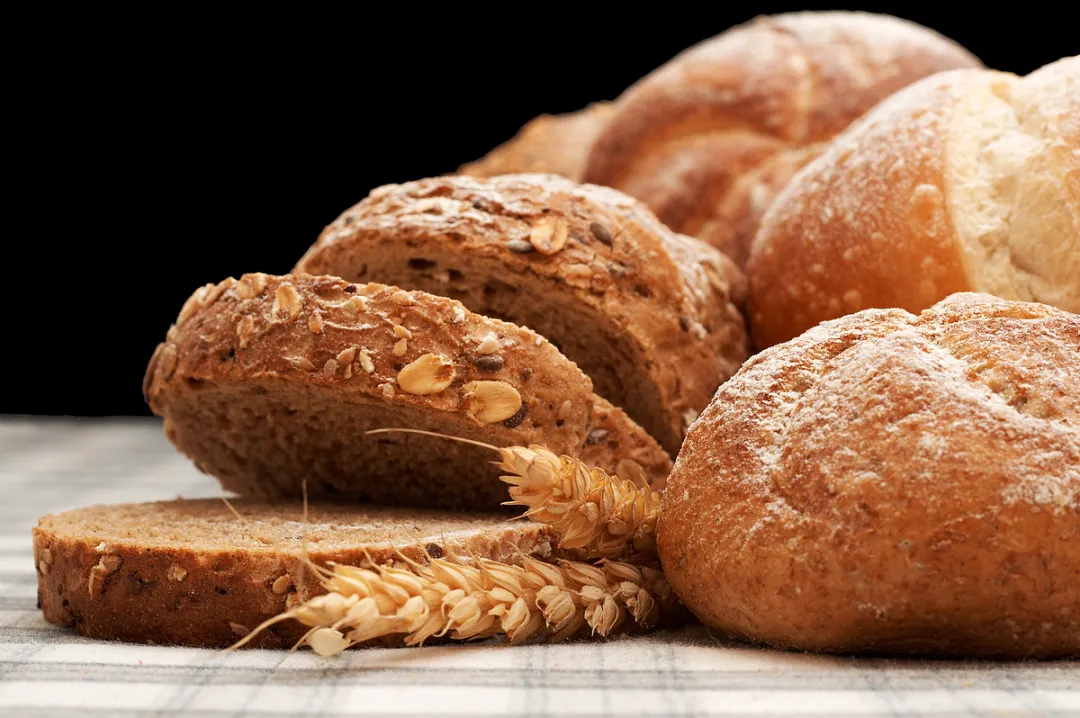
Mechanism: Lipase gently hydrolyzes natural triglycerides in flour to generate endogenous emulsifiers such as monoglycerides and diglycerides. These amphiphilic substances bind water, gluten proteins and starch granules tightly within the dough, further supporting gluten formation and creating a more homogeneous and stable dough system.
During dough mixing and proofing, lipase improves the blending of dough components, enhances dough extensibility and flexibility to avoid stiffness and cracking for easier shaping. It also effectively retains free water, slowing moisture loss and delaying bread staling.
Visible benefits: Lipase-treated dough exhibits superior extensibility. The baked crumb is fine, open-textured, moist and tender with prominent, long-lasting stringiness and continuous tear lines. It solves the problems of dryness, crumbliness and rough mouthfeel.
It also helps brighten crust color for a clean, natural pale appearance and amplifies wheat and fermentation notes, enriching the original flavor with a pleasant lingering sweetness. When combined with glucose oxidase, the two enzymes complement each other to deliver well-shaped loaves, outstanding stringiness and sustained softness.
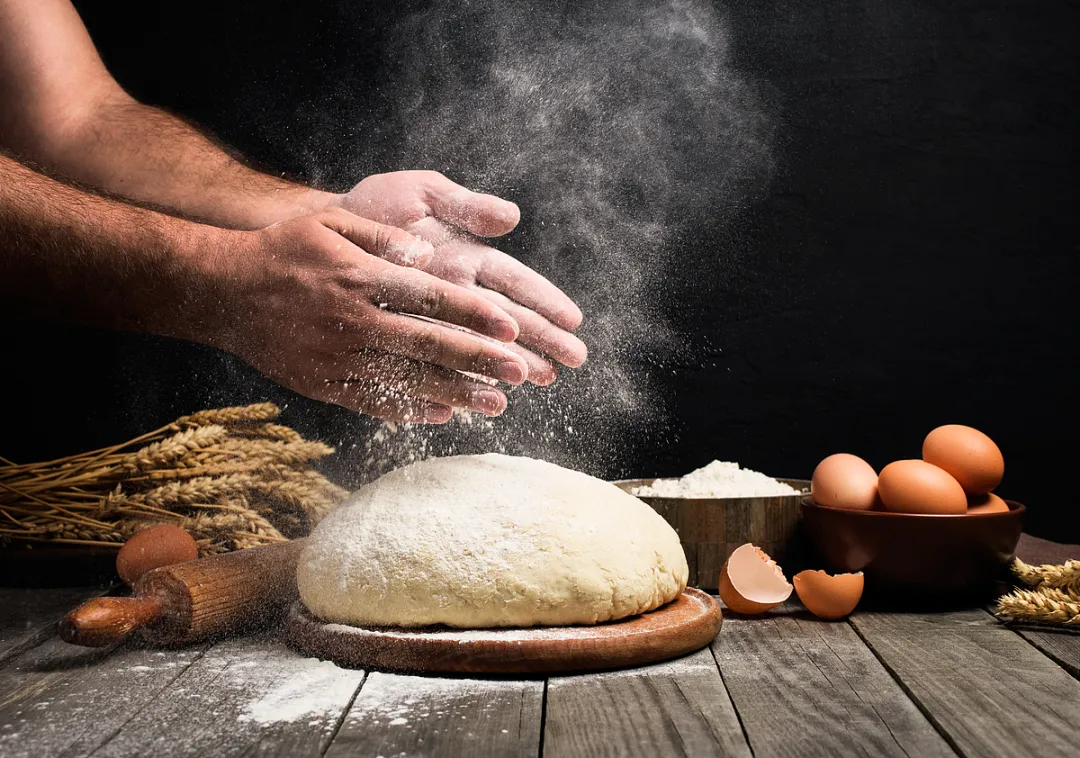
From wheat grain to perfectly structured baked products, Bestzyme' s BestBAKER baking enzymes achieve synergistic effects. They comprehensively improve fermentation performance, strengthen gluten and optimize dough machinability, delivering fine stringy texture and attractive appearance while significantly cutting the dosage of conventional emulsifiers.
Compared with traditional chemical additives and synthetic emulsifiers, baking enzymes feature thermal inactivation, no residue and natural origin. They only catalyze reactions at ambient temperature during mixing and proofing. This green, efficient and safe profile enables modern bakeries to achieve desirable softness and authentic flavor while complying with clean-label and food safety standards, supporting the baking industry' s shift toward natural and healthy production.
© Bestzyme. All rights reserved.

