


During the Spring Festival, families gather around tables filled with candy trays and fragrant pastries. As chewy nougat melts in your mouth and soft rice cakes exude a warm sweetness, have you ever wondered—where does this perfect texture and delicate sweetness come from?
Besides the familiar white sugar (sucrose), there is an unsung hero in modern food products known as "starch sugar." Derived from grains like corn and wheat, it quietly supports the texture and flavor of countless holiday treats with its clean sweetness, moisture-retaining properties, and resistance to crystallization, reshaping the flavors of our memories of the New Year.
How does a hard grain transform into the "functional sweetness" found in festive foods? This is not merely a physical process but a journey of meticulous "breakdown" and "reassembly" at the molecular level, precisely guided by biological enzymes.
A Precise Molecular Transformation Guided by Enzymes
The starch in grains is inherently unsweet. It is like an "energy fortress" where countless glucose molecules are tightly connected. Releasing its sweetness requires a three-step transformation:
Gelatinization is the first step. Starch granules swell and unravel in hot water, transforming from a hard crystalline state into a viscous paste. It's similar to brewing lotus root powder with hot water, opening the door for subsequent reactions.
Subsequently, enzyme preparations act as efficient "molecular scissors." α-Amylase first cuts the long starch chains into short-chain dextrins, a process known as liquefaction, which significantly improves fluidity.
Then, glucoamylase and pullulanase work in synergy during saccharification. The former cleaves individual glucose molecules from the chain ends, directly producing sweetness, while the latter specifically targets and breaks down branch points, ensuring complete conversion.
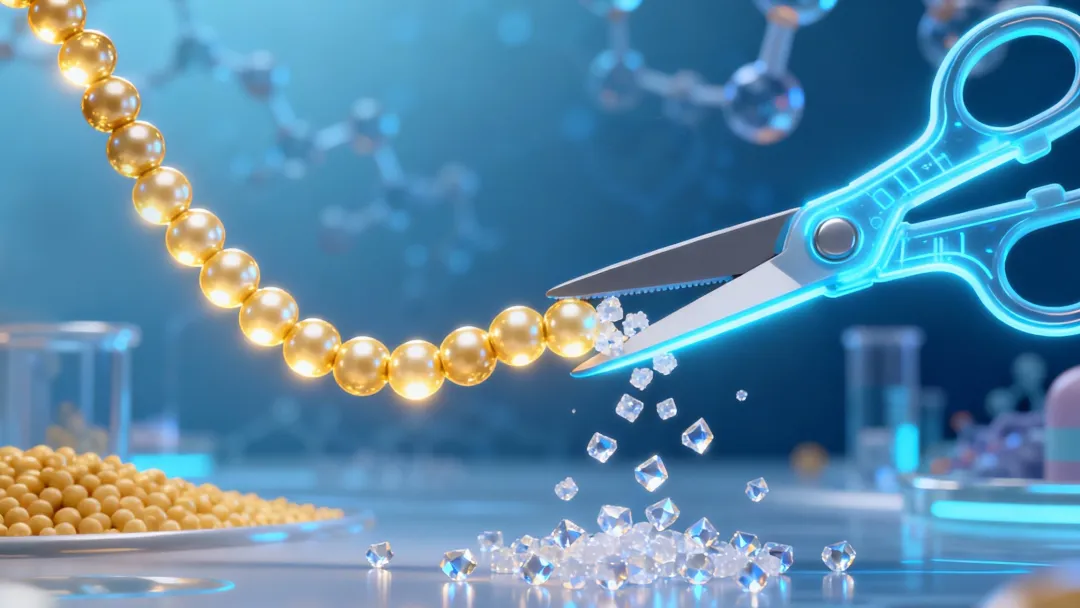
From Liquefaction to Saccharification: The precise process driven by enzyme preparations. α-Amylase, glucoamylase, and pullulanase work in efficient synergy to precisely cut and dismantle long starch chains, achieving a remarkable transformation from hard grains to high-purity glucose syrup.
Through these interconnected steps, catalyzed by the precise synergy of enzyme preparations, hard starch is efficiently converted into clear, sweet starch syrup. This gentle and efficient enzymatic process forms the foundation for the modern food industry to produce a variety of starch sugar products stably and economically.
Enzyme Preparations Empowering the Modern Grain Processing Industry
Enzyme preparations have evolved from a supporting role in grain processing into a core "green engine" driving the industry towards sustainable development. With their green, efficient, and flexible characteristics, they continue to lead the industry into a new phase of high-quality and low-carbon development.
As natural protein catalysts, enzyme preparations can significantly reduce the use of chemical additives, precisely responding to market demand for greener processes. Their mild reaction conditions greatly lower production energy consumption and environmental burden, powerfully promoting the industry's green transformation. Furthermore, high-performance enzyme preparations are widely adaptable to various raw materials like corn, wheat, and cassava, ensuring the stability of global supply chains and consistent product quality. This ensures that every bit of holiday sweetness originates from the pure and reassuring progress of technology.
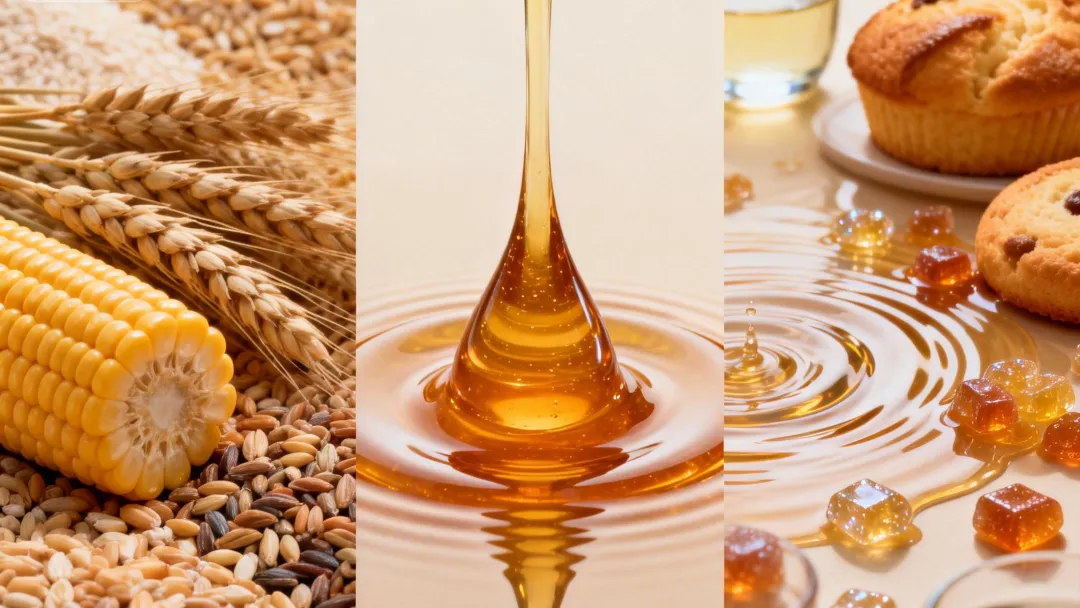
From Grain to Finished Product: The diverse textures imparted by starch sugars in food. The application of enzyme preparations not only enhances sweetness conversion efficiency but also endows candies with crystal clarity and pastries with softness.
In the highly technology-dependent field of starch sugar processing, the precise application of enzymes directly determines product competitiveness and production efficiency. Leveraging its four core process platforms, the Bestzyme Starch Sugar Application R&D Team has successfully facilitated the validation and implementation of over 40 novel enzyme solutions. The team focuses on targeted development for critical stages like liquefaction and saccharification, and has built a comprehensive R&D system covering the entire "liquefaction-saccharification-fermentation" chain. By simulating real production environments to optimize process compatibility and integrating on-site debugging and calibration, they provide customers with multi-dimensional solutions that ensure excellent product quality and process compatibility, helping to achieve product upgrades and efficiency gains.
From a single grain to a table of desserts, this seemingly ordinary transformation is a brilliant demonstration of biotechnology harnessing the power of nature. As the New Year begins, Bestzyme will continue to empower the industry with technological innovation, working with partners to brew a more delicious, pure, and sustainable "sweet future."
© Bestzyme. All rights reserved.

